
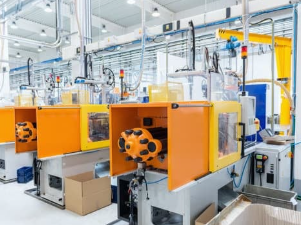
The success of injection moulding services depend heavily on choosing the right material. A polymer’s strength, flexibility, heat resistance, and cost all influence how well a product performs in its intended environment. For decision-makers, this choice can determine whether a design meets quality standards or fails under real-world conditions.
At McLar, selecting materials is part of a collaborative process. Their engineers work closely with clients to evaluate mechanical requirements, environmental exposure, and long-term performance goals before recommending the most suitable polymer.
Step 1: Identify Functional Requirements
Before selecting a polymer, it is important to clarify what the component must do. Does it need to withstand impact, heat, or continuous stress? Is transparency or colour important? Understanding the part’s purpose and the environment it will operate in allows for more accurate material selection.
For example, Polycarbonate (PC) offers excellent impact resistance and optical clarity, making it ideal for safety equipment or lighting components. Nylon (PA) provides strength and durability for mechanical parts, while Polypropylene (PP) excels in flexibility and chemical resistance.
Step 2: Balance Performance and Cost
Different plastics come with different price points. While advanced polymers such as PEEK and Ultem deliver exceptional performance, they can be significantly more expensive than ABS or HIPS.
McLar’s engineers help clients find the balance between performance and economy by suggesting alternatives that meet functional needs without exceeding budget. For large-scale production, small savings per part can make a significant difference in overall project cost.
Step 3: Consider Manufacturing Efficiency
Not all plastics behave the same during moulding. Some require higher mould temperatures or longer cooling times, which affects cycle time and energy consumption. McLar uses advanced Borche injection moulding machines that offer precise control of heat and pressure, ensuring even complex materials are processed efficiently and consistently.
This efficiency translates into shorter lead times and reduced waste, both of which directly support clients’ profitability and sustainability targets.
Step 4: Think About Sustainability
Sustainability is a growing priority in manufacturing. McLar actively promotes the use of recyclable and energy-efficient materials. They also recycle over 80% of production waste within their facility, reducing environmental impact while maintaining high quality.
For clients with green objectives, McLar can integrate recycled ABS or bio-based plastics into production without compromising performance.
Step 5: Prototype and Test Early
Prototyping is vital to validate material choice before full-scale production. McLar’s in-house toolroom can create prototype moulds to test different materials quickly. This ensures the selected polymer performs as expected, avoiding costly design changes later.
Example:
A home appliance brand needed a durable yet lightweight handle assembly. McLar tested ABS, Polycarbonate, and a blend of both. The final design used a co-polymer that reduced weight by 15% and increased impact resistance by 30%, leading to a more competitive product.
Expert Support from McLar
McLar’s end-to-end service ensures material selection aligns with both product function and manufacturing efficiency. Their engineers provide data-driven insights on polymer behaviour, mould design, and lifecycle performance.
By combining deep materials knowledge with advanced technology, McLar helps manufacturers achieve better consistency, quality, and cost savings.
The Right Material Makes All the Difference
Choosing the right material for injection moulding services requires balancing performance, appearance, and cost. McLar’s consultative approach ensures every project benefits from technical expertise, precision equipment, and a strong commitment to sustainability.
Need guidance selecting the best material for your next project? Contact McLar’s injection moulding experts or learn more about their capabilities.